
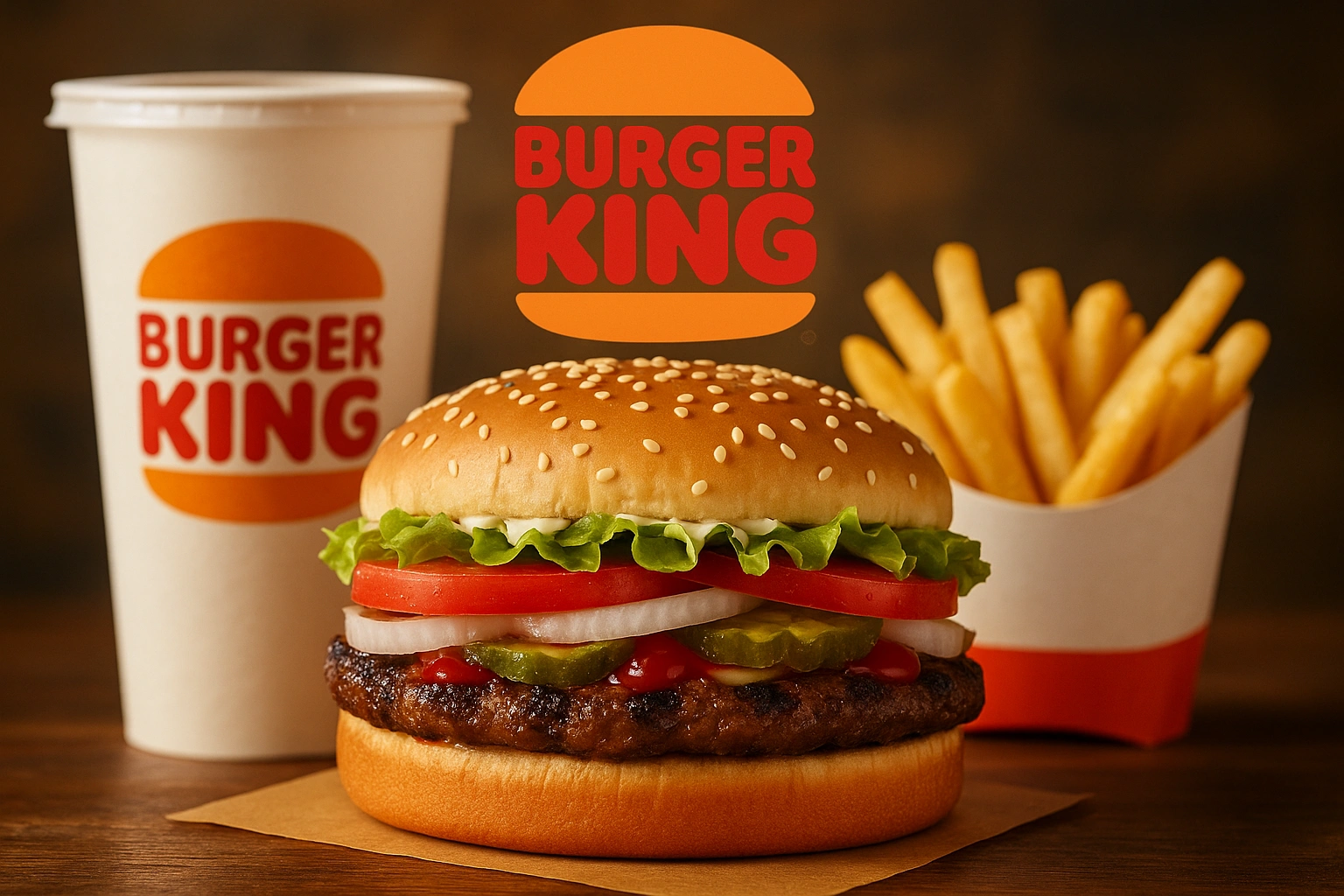
Burger King: The Flame-Grilled Legacy Loved Worldwide
When you think of iconic fast-food giants, Burger King instantly comes to mind. Known for its flame-grilled burgers, royal branding, and global presence, this fast-food empire has become a household name for millions of burger lovers. From the irresistible Whopper to innovative menu options, Burger King has successfully blended tradition with modern food trends — making it more than just a restaurant, but a part of pop culture itself.
🏰 The Origin Story of Burger King
The story of Burger King began in 1954 in Miami, Florida, when James McLamore and David Edgerton opened the first restaurant. Their vision was clear — to serve high-quality, delicious, and affordable burgers quickly. The founders focused on the flame-grilling method, setting Burger King apart from other burger chains that relied on flat-top griddles.
Over time, the restaurant’s commitment to fresh ingredients, iconic flavors, and customer satisfaction made it one of the most popular fast-food chains in the world. Today, Burger King operates in over 100 countries, serving millions of customers every single day.
🔥 What Makes Burger King Unique?
One word: flame-grilling.
Unlike many of its competitors, Burger King has stayed true to this signature cooking method. The smoky, charred flavor of their burgers adds a distinct taste that customers can’t find elsewhere.
Key Features That Define Burger King:
| Feature | Description |
|---|---|
| Signature Cooking Style | Flame-grilled burgers for a smoky, real-meat taste |
| Global Menu Variety | Offers region-specific meals around the world |
| Affordable Pricing | Combines quality with value |
| Iconic Branding | Recognizable logo, colors, and “Have It Your Way” slogan |
| Innovation | Regularly introduces limited-time meals and plant-based options |
This dedication to quality and consistency has made Burger King a top competitor in the fast-food industry.
🍔 The Legendary Whopper
No discussion about Burger King is complete without the Whopper. Introduced in 1957, this massive, juicy burger has become the brand’s crown jewel.
Made with a flame-grilled beef patty, fresh lettuce, tomatoes, onions, pickles, ketchup, and mayonnaise — all inside a soft sesame seed bun — the Whopper is an experience in itself.
Burger King also offers exciting variations like the Double Whopper, Impossible Whopper (a plant-based version), and Bacon King, appealing to all kinds of eaters.
🌍 Global Presence and Cultural Impact
Burger King has mastered the art of adapting to different cultures. In India, for example, beef is replaced with chicken or vegetarian patties. In Japan, customers enjoy black-bunned burgers; in Mexico, spicy and tangy versions dominate the menu.
This adaptability has allowed Burger King to connect with diverse audiences while maintaining its American fast-food roots. It’s a brand that understands cultural sensitivity without losing its identity.
💡 Burger King’s Marketing Genius
Burger King’s marketing has always been bold, humorous, and creative. Campaigns like “Moldy Whopper” (showing a burger decomposing naturally to highlight the removal of artificial preservatives) broke the internet and showcased transparency in the food industry.
Other successful campaigns include:
- “Whopper Detour” – Customers got a 1-cent Whopper if they ordered near a McDonald’s.
- “Whopper Sacrifice” – Encouraged users to unfriend 10 people on Facebook for a free Whopper.
- “Be Your Way” – Reinforced the idea of individuality and choice in how you enjoy your meal.
These strategies have helped Burger King build a strong emotional connection with customers, especially among younger generations.
🥗 Burger King’s Modern Menu and Healthy Choices
Fast food doesn’t always have to be unhealthy — and Burger King knows that. The brand has introduced healthier alternatives like:
- Grilled Chicken Sandwiches
- Garden Side Salads
- Low-calorie wraps
- Plant-based Whoppers
The introduction of the Impossible Whopper marked a major step in embracing plant-based eating trends, appealing to vegetarians and flexitarians alike.
🌱 Sustainability and Environmental Responsibility
In recent years, Burger King has taken big steps toward sustainability. The brand has:
- Switched to cage-free eggs and sustainably sourced coffee.
- Reduced plastic packaging by introducing eco-friendly wrappers.
- Launched initiatives to lower carbon emissions across supply chains.
By focusing on a greener future, Burger King is not only satisfying customers’ appetites but also aligning with global sustainability goals.
💼 Business Growth and Franchising Model
Burger King’s success can be attributed largely to its franchising model. Almost 90% of its outlets are franchised, allowing entrepreneurs worldwide to run their own Burger King branches under the global brand.
The model provides a win-win structure — Burger King expands its footprint rapidly, while franchise owners benefit from brand recognition, training, and support.
This approach has helped Burger King maintain consistency in service, taste, and brand image globally.
💻 Burger King in the Digital Age
In today’s fast-paced digital era, Burger King has fully embraced technology. Customers can now order via mobile apps, websites, or delivery partners. Digital loyalty programs and real-time promotions keep users engaged.
Some countries have even introduced AI-driven menu boards that adjust offerings based on weather, time, or location — a sign that Burger King isn’t just following trends; it’s leading them.
🏆 Awards and Recognition
Over the years, Burger King has received numerous accolades for:
- Innovative marketing campaigns
- Customer service excellence
- Sustainability leadership
- Franchise success
These recognitions serve as proof of the brand’s commitment to excellence and innovation in the fast-food industry.
🍟 Comparison: Burger King vs. McDonald’s
| Feature | Burger King | McDonald’s |
|---|---|---|
| Cooking Style | Flame-grilled burgers | Griddled burgers |
| Flagship Item | The Whopper | The Big Mac |
| Brand Slogan | “Have It Your Way” | “I’m Lovin’ It” |
| Taste Profile | Smoky and savory | Mild and sweet |
| Customization | High | Moderate |
Both brands dominate the fast-food market, but Burger King holds a unique place for its smoky flavor, rebellious branding, and flexible menu.
👑 The Future of Burger King
As we move toward 2026 and beyond, Burger King is investing heavily in:
- AI-based ordering systems
- Eco-friendly packaging
- Enhanced drive-thru experiences
- Global expansion in Asia and the Middle East
With its bold innovation and customer-first strategy, Burger King continues to stand tall as a true king of the burger world.
💬 Customer Love and Brand Loyalty
Fans around the world praise Burger King for its taste, quality, and customization. Social media is filled with loyal customers sharing their Whopper moments, proving that the brand has built not just customers but a community.
From families enjoying weekend meals to solo snackers craving a late-night burger — Burger King delivers happiness, one bite at a time.
🧾 Final Thoughts
Burger King isn’t just a fast-food chain — it’s a story of innovation, passion, and flavor that continues to evolve with time. Its signature flame-grilled cooking style, global influence, and strong marketing have helped it become a true icon in the food industry.
Whether you’re biting into a classic Whopper or trying out a plant-based burger, one thing is certain — Burger King remains committed to serving quality, taste, and value every single day.
✅ Summary Table
| Aspect | Details |
|---|---|
| Founded | 1954, Miami, Florida |
| Founders | James McLamore & David Edgerton |
| Signature Dish | The Whopper |
| Cooking Method | Flame-grilled |
| Global Reach | 100+ countries |
| Core Values | Quality, Affordability, Innovation |